rené la


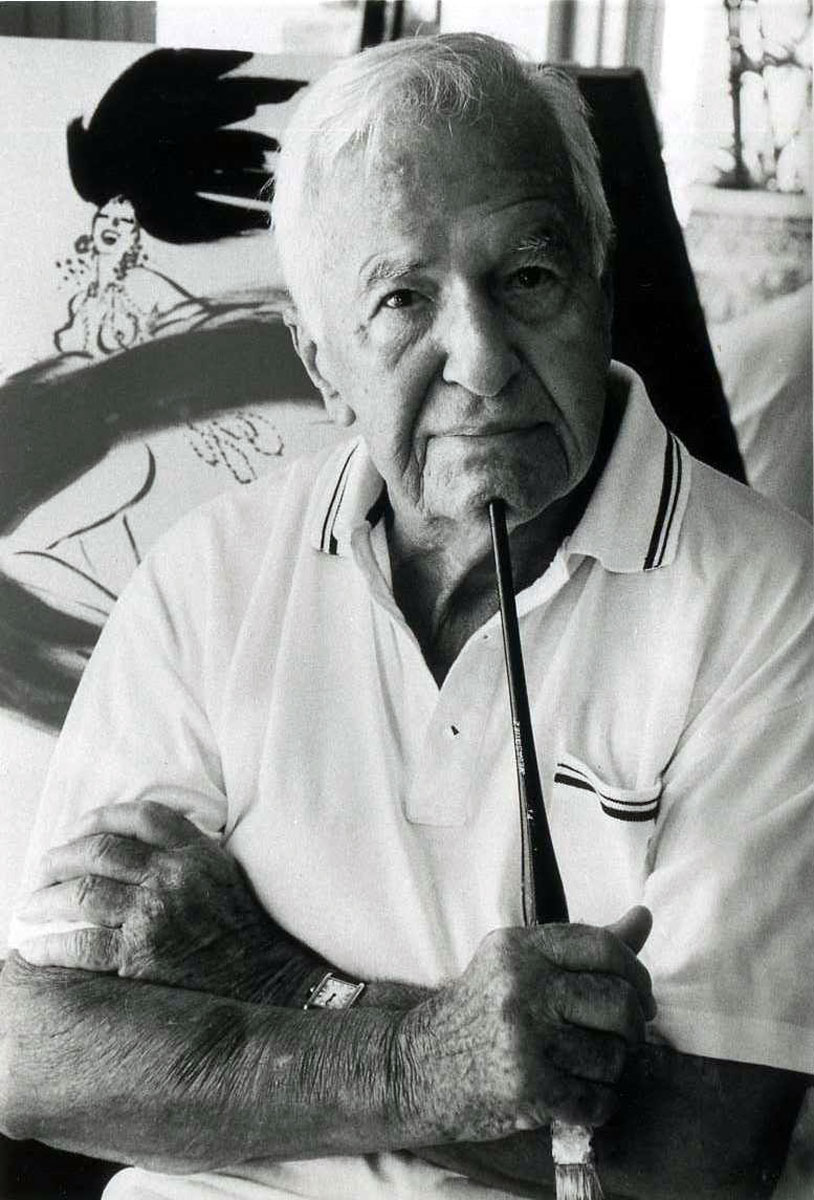
René Gruau was a French artist and illustrator, known for his work in fashion, advertising, and magazine illustration. He is considered one of the most influential fashion illustrators of the 20th century, and his distinctive style has had a lasting impact on the fashion industry.
Gruau was born in Italy and spent most of his childhood in France. He began his career in advertising in the 1920s, working for the agency J. Walter Thompson. He soon became known for his elegant, sophisticated style, and his ability to capture the essence of a product or brand in a single image.
In the 1940s, Gruau began working in the fashion industry, producing illustrations for magazines such as Vogue, Harper's Bazaar, and Elle. He became famous for his glamorous, sensual depictions of women, which captured the essence of the post-war era of elegance and sophistication.
Throughout his career, Gruau worked with some of the biggest names in fashion, including Christian Dior, Yves Saint Laurent, and Givenchy. He created many iconic images for these designers, including the famous "Bar" suit for Dior, and the "Mondrian" dress for Saint Laurent.
Gruau's work has been exhibited in museums and galleries around the world, and he has been the subject of several retrospectives. His influence can be seen in the work of many contemporary fashion illustrators, and his legacy continues to inspire new generations of artists.


René Gruau was a French artist and illustrator, known for his work in fashion, advertising, and magazine illustration. He is considered one of the most influential fashion illustrators of the 20th century, and his distinctive style has had a lasting impact on the fashion industry.
Gruau was born in Italy and spent most of his childhood in France. He began his career in advertising in the 1920s, working for the agency J. Walter Thompson. He soon became known for his elegant, sophisticated style, and his ability to capture the essence of a product or brand in a single image.
In the 1940s, Gruau began working in the fashion industry, producing illustrations for magazines such as Vogue, Harper's Bazaar, and Elle. He became famous for his glamorous, sensual depictions of women, which captured the essence of the post-war era of elegance and sophistication.
Throughout his career, Gruau worked with some of the biggest names in fashion, including Christian Dior, Yves Saint Laurent, and Givenchy. He created many iconic images for these designers, including the famous "Bar" suit for Dior, and the "Mondrian" dress for Saint Laurent.
Gruau's work has been exhibited in museums and galleries around the world, and he has been the subject of several retrospectives. His influence can be seen in the work of many contemporary fashion illustrators, and his legacy continues to inspire new generations of artists.
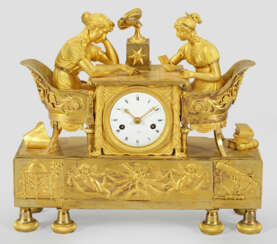

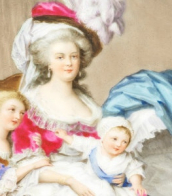


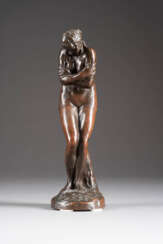


Jean-Antoine Houdon was a French sculptor of the late 18th and early 19th centuries. He is known as a master of portrait sculptures. While gravitating toward naturalism and classicism, Houdon remained a faithful follower of an elegant style intended for the rich salons and royal palaces. Houdon's work is considered the crowning glory of the Rococo style. His biography is closely intertwined with the end of the Enlightenment, the Napoleonic Wars, and the French Revolution.
Jean-Antoine Houdon was famous for his subtle understanding of the dynamics of the human body. In each work, he tried to convey not only the individual traits but also the character of the character. His desire for naturalism, authenticity, allowed the author to create works that to this day are considered the benchmark for teaching plastic anatomy.
Among Houdon's most famous sculptures are Bust of Catherine II and Voltaire Seated in an Armchair. The statue of the French thinker was commissioned by the Russian Empress Catherine II, with whom he was personally acquainted.


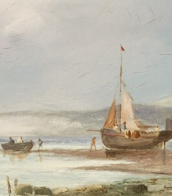














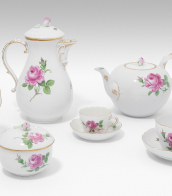


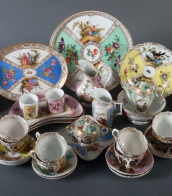
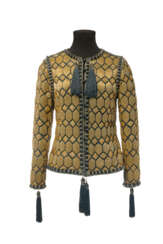

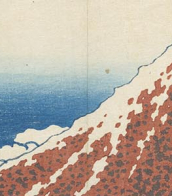
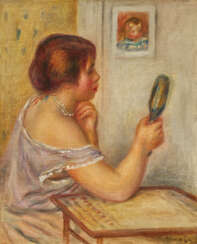

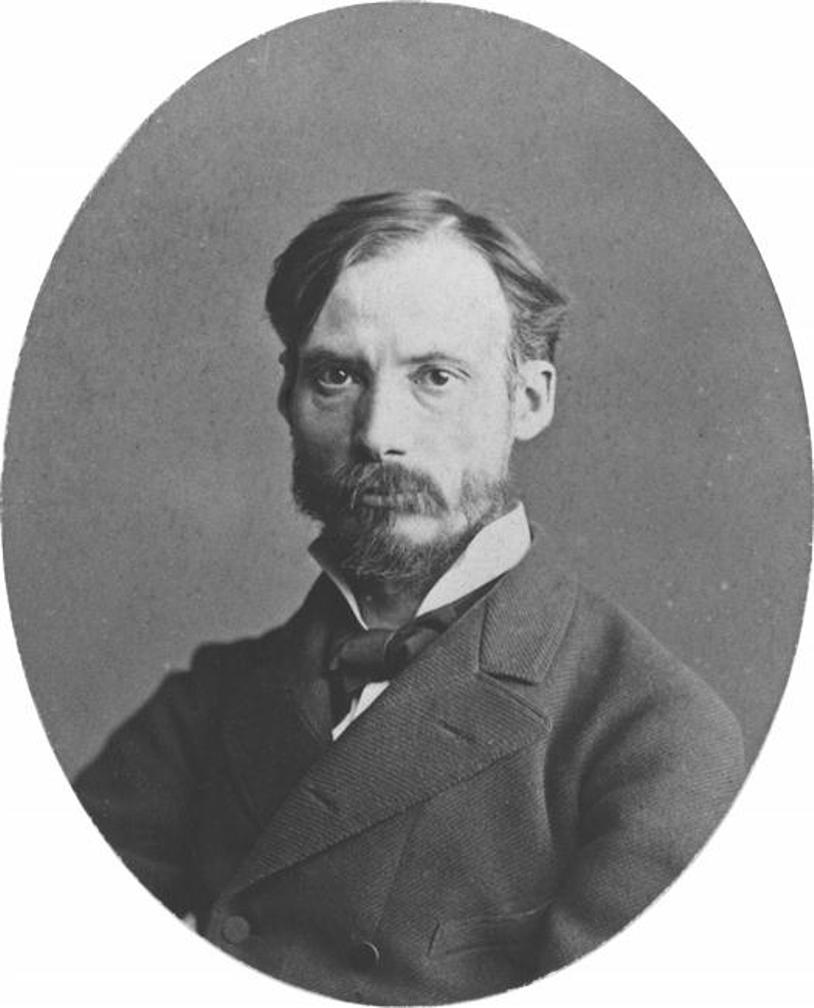
Pierre-Auguste Renoir was a French artist, celebrated as a pivotal figure in the development of the Impressionist movement. Born in Limoges, France, in 1841, Renoir's early experiences in Paris and his apprenticeship as a porcelain painter laid the foundation for his illustrious career in art. His transition to painting was marked by an early fascination with the play of light and color, which became a hallmark of his work. Renoir's paintings are renowned for their vibrant light and saturated color, often focusing on people in intimate and candid compositions. This focus on beauty and a particular affinity for capturing the sensuality of the female form distinguished his work from his contemporaries.
Renoir's contributions to Impressionism were significant, characterized by his use of bright colors and a technique that captured the movement and luminosity of the scene. His evolution as an artist saw him experimenting with a more linear and classical style, especially after his travels to Italy, where he was deeply influenced by the Renaissance masters. Despite facing personal challenges, including severe rheumatoid arthritis in his later years, Renoir's passion for painting never waned. His determination saw him adapting his painting technique to his physical limitations, ensuring that his creative output remained prolific until his death in 1919.
Among Renoir's notable works are "Bal du moulin de la Galette" (1876), "Luncheon of the Boating Party" (1880), and "Girls at the Piano" (1892). These masterpieces exemplify the essence of Impressionist art with their depiction of light, movement, and everyday life. Renoir's works are housed in prestigious museums around the world, serving as a testament to his enduring legacy in the realm of art.
For art collectors and experts, Renoir's oeuvre represents an essential segment of the Impressionist movement, offering insights into the evolution of modern art. His mastery in portraying the beauty of the moment and the depth of human emotion continues to captivate and inspire audiences worldwide.
If you are passionate about collecting or studying the works of Pierre-Auguste Renoir, we invite you to sign up for updates on new product sales and auction events related to this iconic artist. Stay informed about the opportunity to own a piece of art history and deepen your appreciation for the rich tapestry of culture and art that Renoir helped weave.



.jpg)
René Magritte, a Belgian artist, was renowned for his significant contributions to the Surrealist movement. His art, known for merging ordinary objects with bizarre, dream-like contexts, captivated the art world. Born on November 21, 1898, in Lessines, Belgium, Magritte's early artistic pursuits were impressionistic, transitioning through Cubism and Futurism influenced by artists like Jean Metzinger. However, his encounter with Giorgio de Chirico's work in 1922 steered him towards Surrealism.
Magritte's career was marked by various phases, each showcasing his evolving style and thematic focus. His initial foray into Surrealism began in 1926 with "The Lost Jockey" and was further solidified during his time in Paris, where he mingled with other prominent Surrealists like André Breton. Despite facing initial criticism and financial challenges, Magritte's unique blend of familiar imagery in unfamiliar contexts, like in "The Empire of Light" and "Time Transfixed," earned him acclaim.
Magritte's distinct visual language, characterized by recurring motifs like bowler hats and apples, and his exploration of reality and illusion, remain influential. His works are displayed in major galleries worldwide, continuing to inspire and intrigue art collectors and enthusiasts.
For collectors and experts in art and antiques, staying informed about Magritte's works and related auction events is crucial. Signing up for updates ensures you're alerted to new sales and events focusing on René Magritte's art, offering unique opportunities to acquire or learn more about his remarkable creations. This subscription will exclusively cover new product sales and auction events related to Magritte, keeping you updated on the most relevant information in the art world.














![[RÉTIF DE LA BRETONNE, Nicolas Edme (1734-1806)]](/assets/image/picture_4604843/b5dd3/28ac0a6981dcee5f4fa6313361676bf01747864800jpg__fix_374_244.jpeg)
![[RÉTIF DE LA BRETONNE, Nicolas Edme (1734-1806)]](https://veryimportantlot.com/assets/image/picture_4604843/b5dd3/28ac0a6981dcee5f4fa6313361676bf01747864800jpg__fix_374_244.jpeg)